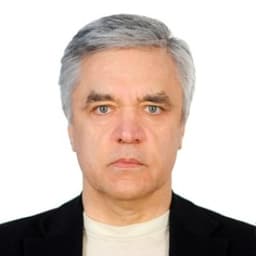
Sergey Suchkov
N.D. Zelinskii Institute for Organic Chemistry of the Russian Academy of Sciences
Translational oncology connects laboratory discoveries with clinical applications and supports the development of new diagnostic and therapeutic approaches. This session covers the full pathway from preclinical investigation to early- and late-phase clinical trials, biomarker-driven studies, innovative trial designs, and implementation into patient care.
Abstract Scope and Participation
Submissions may include translational research, early-phase trials, randomized clinical trials, adaptive and basket trials, biomarker-driven studies, trial methodology, patient recruitment, regulatory science, and clinical implementation. Investigators, clinicians, trialists, statisticians, industry professionals, and regulatory researchers are invited.
N.D. Zelinskii Institute for Organic Chemistry of the Russian Academy of Sciences
A new systems approach to diseased states and wellness result in a new branch in the healthcare ser-vices, namely, personalized and precision medicine (PPM). Meanwhile, the era of genomics-based…
A new systems approach to diseased states and wellness result in a new branch in the healthcare services, namely, personalized and precision medicine (PPM). Meanwhile, the era of genomics-based…
Sessions are CPD-accredited; certificates issued to every registered delegate within two weeks of the conference.
Oral and poster slots for original Translational Oncology & Clinical Trials work, reviewed by the scientific committee.
Meet oncologists, cancer researchers, and clinical specialists from around the world across three days.
Accepted abstracts appear in the indexed conference proceedings with a citable DOI.
Plenary lectures from leading voices shaping Translational Oncology & Clinical Trials research and practice.
Attend in person in Singapore or join virtually — same programme, same certificate.
Oral and poster slots for your work — in person in Singapore or online. Not presenting? Attend as a delegate to learn from the field.
The Translational Oncology & Clinical Trials track is a dedicated stream within CIOC 2027 covering the latest research, clinical innovation, and best practice in Translational Oncology & Clinical Trials. It brings together researchers, educators, and practitioners for oral presentations, posters, and discussion.
Cancer researchers and clinicians, educators and students with an interest in Translational Oncology & Clinical Trials are all welcome — whether presenting or attending.
Yes. Submit an abstract for oral or poster presentation. All submissions are peer-reviewed by the scientific committee; accepted abstracts appear in the indexed proceedings.
Yes. CIOC 2027 is a hybrid conference — attend the Translational Oncology & Clinical Trials track in person in Singapore or join live online, with on-demand access afterward.
Singapore · March 15–17, 2027· Hybrid · in-person & virtual
Attend without presenting.