HYBRID EVENT: Join us in person in Singapore or attend virtually from anywhere.

3rd Edition of International Cancer & Immuno-Oncology Conference

March 15-17, 2027 | Singapore

Long-read sequencing reveals dynamic features of human malignancies

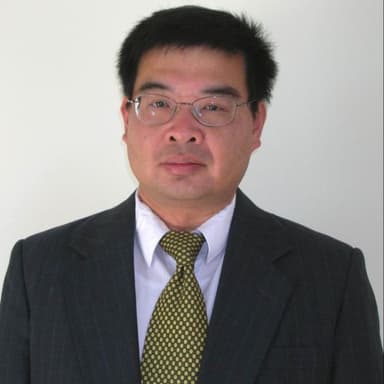
Jianhua Luo, Conference Speaker
University of Pittsburgh School of Medicine, United States
Title : Long-read sequencing reveals dynamic features of human malignancies

Abstract:

The protein diversity of mammalian cells is determined by arrays of isoforms from genes. Genetic mutation is essential in species evolution and cancer development. Accurate Long-read transcriptome sequencing at single-cell level is required to decipher the spectrum of protein expressions in mammalian organisms. Recently, we developed a LOOPseq long-read technology. Applied to targeted transcriptome sequencing of over 10,000 genes from colon cancers and their metastatic counterparts, LoopSeq revealed large scale isoform redistributions from benign colon mucosa to primary colon cancer and metastatic cancer and identified several novel gene fusion isoforms in the colon cancer samples. Strikingly, our data showed that most single nucleotide variants (SNVs) occurred dominantly in specific isoforms and that some SNVs underwent isoform switching in cancer progression. We also developed a single-cell sequencing technology based on LOOPseq technique. We applied this technology to analyze 447 transcriptomes of hepatocellular carcinoma (HCC) and benign liver from an individual. Through Uniform Manifold Approximation and Projection (UMAP) analysis, we identified a panel of mutation mRNA isoforms highly specific to HCC cells. The evolution pathways that led to the hyper-mutation clusters in single human leukocyte antigen (HLA) molecules were identified. Novel fusion transcripts were detected. The combination of gene expressions, fusion gene transcripts, and mutation gene expressions significantly improved the classification of liver cancer cells versus benign hepatocytes. In conclusion, LOOPseq single-cell technology may hold promise to provide a new level of precision analysis on the mammalian transcriptome.

Biography:

Dr. Luo has been studying molecular mechanisms of human malignancies in the last 36 years. Currently, he is a Professor of Pathology and Director of High Throughput Genome Center at University of Pittsburgh. In the last 30 years, Dr. Luo has been largely focusing on the genetic and molecular mechanism of human cancers such as prostate cancer. He is one of the pioneers in utilizing high throughput gene expression and genome analyses to analyze field effects in prostate and liver cancers. He is also the first in using methylation array and whole genome methylation sequencing to analyze human cancers. He and his colleague helped to develop an ultra-low error synthetic long-read sequencing technology called LOOPSeq that can be utilized to quantify mRNA isoforms and mutation isoform distributions in single cell level. His group has discovered 21 novel fusion genes in prostate, liver and colon cancers. Subsequently, his group discovered that many of these fusion genes are recurrent in many other types of human cancers. His group also developed a genome intervention strategy targeting at the chromosomal breakpoint of fusion gene to treat cancers. Recently, his group has been focusing on machine learning prediction of prostate and liver cancers. Overall, these findings advance our understanding of how cancer develops and behaves, and lay down the foundation for better future diagnosis and treatment for human malignancies.

YouTube
WhatsAppWhatsApp